Learning Centers
Structured, supervised environments where students work independently through PACEs while developing self-discipline, goal-setting, and responsibility.
Nurturing Excellence. Inspiring Futures.
Academics
Internationally recognised, mastery-based, Christ-centred education that meets each child exactly where they are.
How We Teach
The ACE model replaces one-size-fits-all instruction with individualised learning paths, biblical integration, and proven academic outcomes.
Structured, supervised environments where students work independently through PACEs while developing self-discipline, goal-setting, and responsibility.
Personalised packets of Accelerated Christian Education material covering every subject — designed for mastery at the individual student's pace.
Students must score 80% or higher on PACE tests before advancing. No gaps, no social promotion — only genuine understanding.
Comprehensive diagnostic testing identifies exact learning levels in each subject independently, so a student may be at different levels in Maths and English.
Biblical character traits are woven throughout the curriculum — building integrity, diligence, and Christ-like character alongside academics.
ACE is used in over 6,000 schools across 145 countries. ICCE certificates are recognised by universities worldwide.
Core Subjects
Every student works through individualised PACEs across these core subjects, placed at their ability level through diagnostic testing.
Academic Calendar
7:30 AM — 4:00 PM (breakfast, lunch, and co-curricular time included)
February — April (~13 weeks)
June — August (~13 weeks)
September — November (~12 weeks)
Academic Programs
From age three through Grade 6, each programme nurtures academic mastery and godly character in classes of no more than 10 learners.
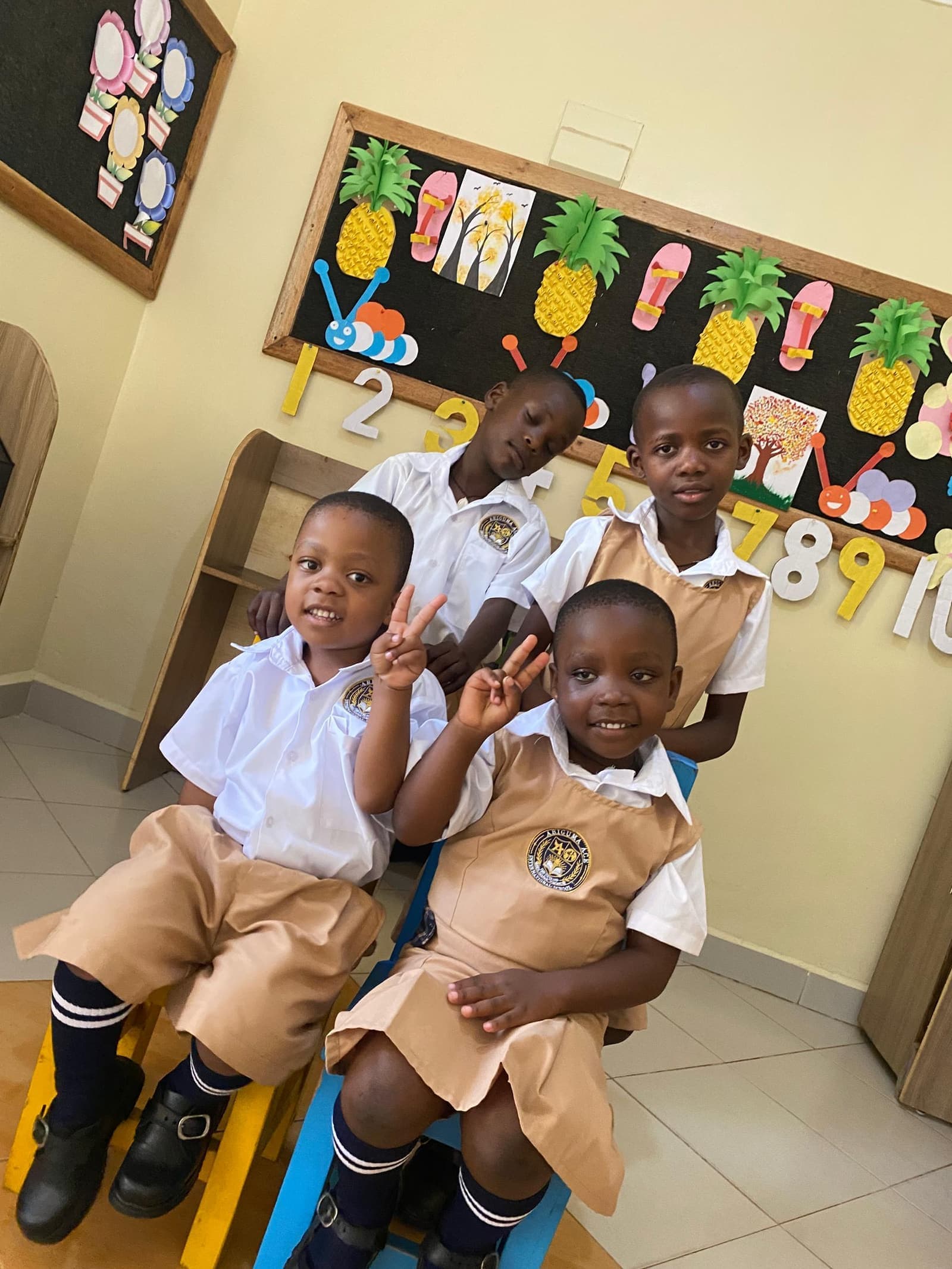 Step by Step · RR · ABC
Three dedicated classes for ages 3–6: Step by Step (ages 3–4), Reading Readiness (ages 4–5), and ABC (ages 5–6). Structured play, phonics, scripture, and character training prepare children for Grade 1 PACE work.
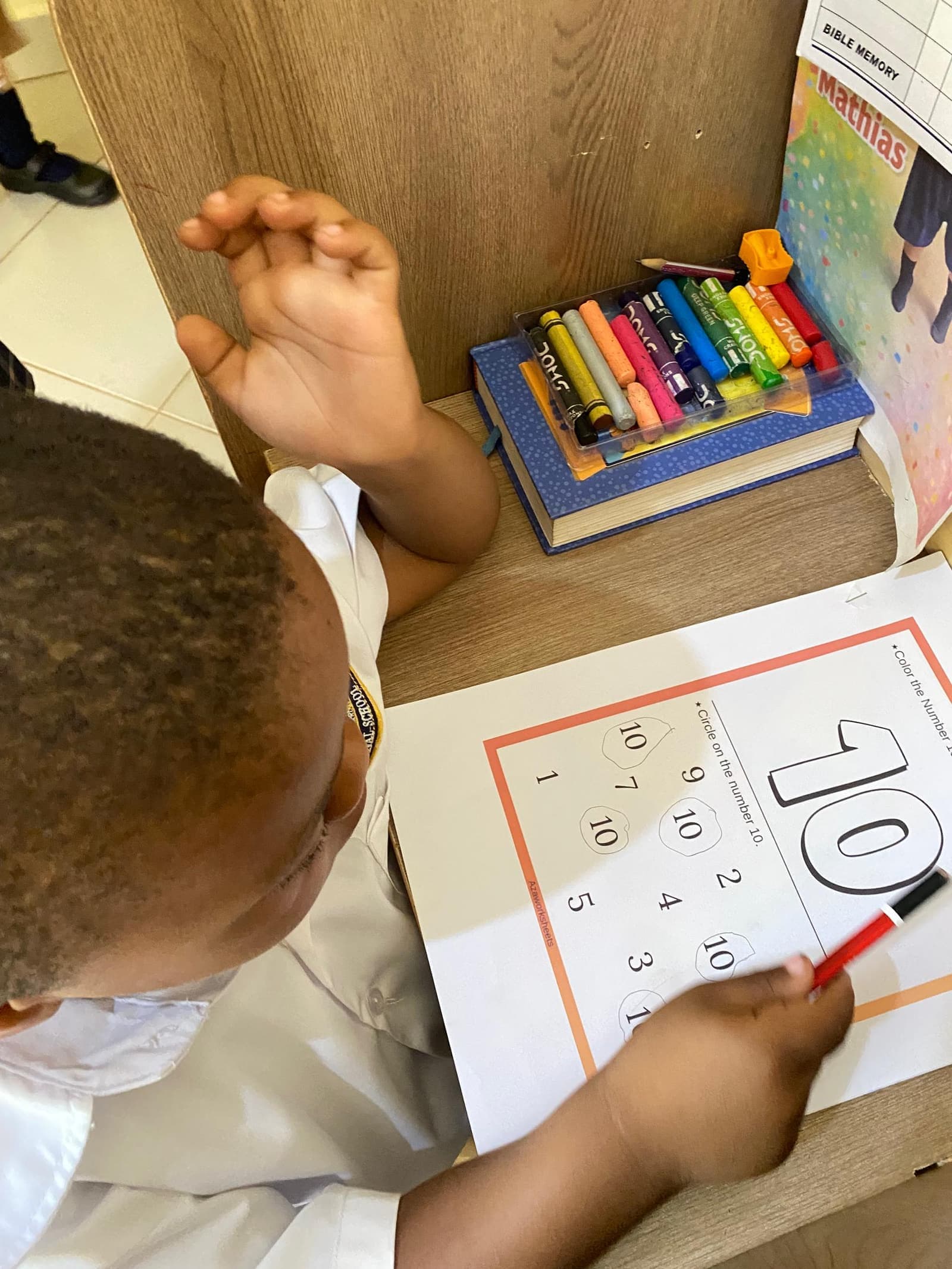 Grades 1–6
Individualised PACE-based learning builds strong academic foundations while developing godly character and independent study habits. Each class is capped at 10 students.